Don’t Get Caught Off Guard: What Florida Homeowners Need to Know About a 4-Point Inspection
A 4-point inspection is one of those Florida real estate terms that buyers encounter without always understanding. Unlike a standard home inspection, which evaluates every visible and accessible system and component in the home, a 4-point inspection focuses on four specific systems that Florida insurers have identified as the primary sources of claims risk in older properties. In a state where home insurance availability and cost have become major variables in the purchase equation, understanding what is involved and what it means for coverage is knowledge that belongs at the beginning of the buying process rather than the end.
What a 4-Point Inspection Evaluates and Why Insurers Require It
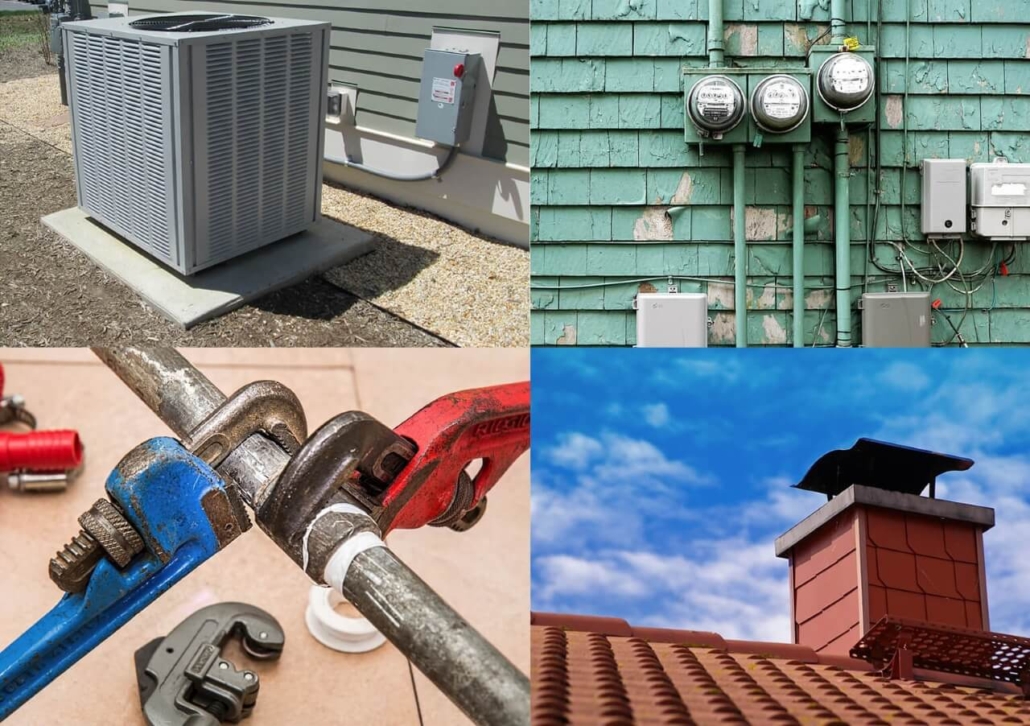
The four systems evaluated are the roof, the electrical system, the plumbing system, and the HVAC system. Each of these systems represents a significant source of insurance claims, and each has a specific set of conditions that Florida insurers consider elevated risk. The roof section documents the covering material, estimated age, and current condition. Florida insurers have become particularly attentive to roof age; many will not write new policies on homes with roofs over fifteen years old. A roof that passes the 4-point inspection is one the insurer is willing to cover; one that fails may trigger a requirement for replacement before coverage is issued.
The electrical section evaluates the panel type and condition, wiring type, and specific risks flagged as claims concerns. Federal Pacific and Zinsco panels are among the conditions that can complicate or prevent coverage. Aluminum branch circuit wiring, knob and tube wiring, and double-tapped breakers are similarly flagged. A 4-point inspection doesn’t replace a full electrical inspection but documents what insurers need. The plumbing section documents supply and drain line materials and water heater condition. Polybutylene supply lines, used in homes built between roughly 1978 and 1995 with a documented failure history, are a significant finding. Water heater age matters as well; a unit beyond its expected service life is a liability risk insurers account for.
The HVAC section documents the type, age, and condition of heating and cooling equipment. Florida’s climate means air conditioning is essential for habitability and moisture control, an aging HVAC system creates secondary risks including the mold conditions that develop when humidity goes uncontrolled.
What Fails an Inspection and What Happens Next
The outcome of an inspection isn’t simply pass or fail, it’s a documented picture of each system’s condition that the insurer reviews to determine what coverage they’ll offer and on what terms. Conditions that commonly create complications include roofs over fifteen to twenty years old, Federal Pacific or Zinsco panels, aluminum branch circuit wiring, polybutylene plumbing, and HVAC equipment at or beyond expected service life. An inspection identifying one or more of these conditions doesn’t automatically mean the home is uninsurable, but the buyer needs to understand their options before closing.
Some insurers will write coverage with conditions, requiring specific items to be addressed within a defined timeline. Others will decline coverage regardless. Understanding what the insurer requires before closing on a property with flagged findings prevents the scenario where a buyer discovers an insurance problem at closing rather than during the due diligence period.
When to Schedule a 4-Point Inspection in the Buying Process
Scheduling a 4-point inspection alongside or immediately following the standard home inspection gives buyers the information needed to address insurance questions during the inspection contingency window, while they still have options. Many Florida buyers schedule the standard home inspection and the 4-point inspection simultaneously, which is efficient and produces a complete picture of the property’s condition and insurability in a single visit. Florida Property Group performs both as part of their inspection services, meaning the buyer receives the full system evaluation and insurer-facing documentation in one coordinated process.
Frequently Asked Questions (FAQs)
Is a 4-point inspection the same as a home inspection?
No, they serve different purposes. A standard home inspection is a comprehensive evaluation of every visible and accessible system, performed for the buyer’s benefit. A 4-point inspection focuses specifically on four systems: roof, electrical, plumbing, and HVAC, and produces a standardized form for the insurance carrier. Most Florida buyers benefit from scheduling both.
What age of home requires a 4-point inspection in Florida?
Most Florida insurers require one for homes fifteen years old or older, though the threshold varies by carrier. Some require them for homes as young as ten years, and others may require them regardless of age when specific risk factors are present. Confirming the requirement with the intended insurer before assuming it isn’t needed is always the safer approach.
How long does a 4-point inspection take?
Typically thirty to sixty minutes as a standalone appointment, or combined efficiently with a standard home inspection in the same visit. The brevity reflects the focused four-system scope. The inspector documents age, material, and condition for each system and produces the standardized form carriers accept.
Can a seller provide a 4-point inspection they already had done?
Most insurers prefer, and some require, an inspection completed for the new buyer within the last twelve months. An inspection performed for the seller may not satisfy the buyer’s carrier and represents the property’s condition at an earlier point. Having an independent 4-point inspection ensures documentation is current and aligned with the buyer’s interests.
What’s the difference between a 4-point inspection and a wind mitigation inspection?
A 4-point inspection documents the condition of four major systems for general insurance underwriting. A wind mitigation inspection documents structural features affecting hurricane resistance, roof shape, attachment method, opening protection, and construction type, used to calculate wind insurance discounts. Both are common in the Florida insurance process and can typically be performed in the same inspection visit.
Florida Property Group’s licensed inspectors document all four systems clearly and accurately, giving you and your insurer the information needed to move forward with confidence. Schedule your 4-point inspection.


Leave a Reply
Want to join the discussion?Feel free to contribute!