
Why Lakewood Ranch Homeowners Should Schedule an 11-Month Warranty Inspection
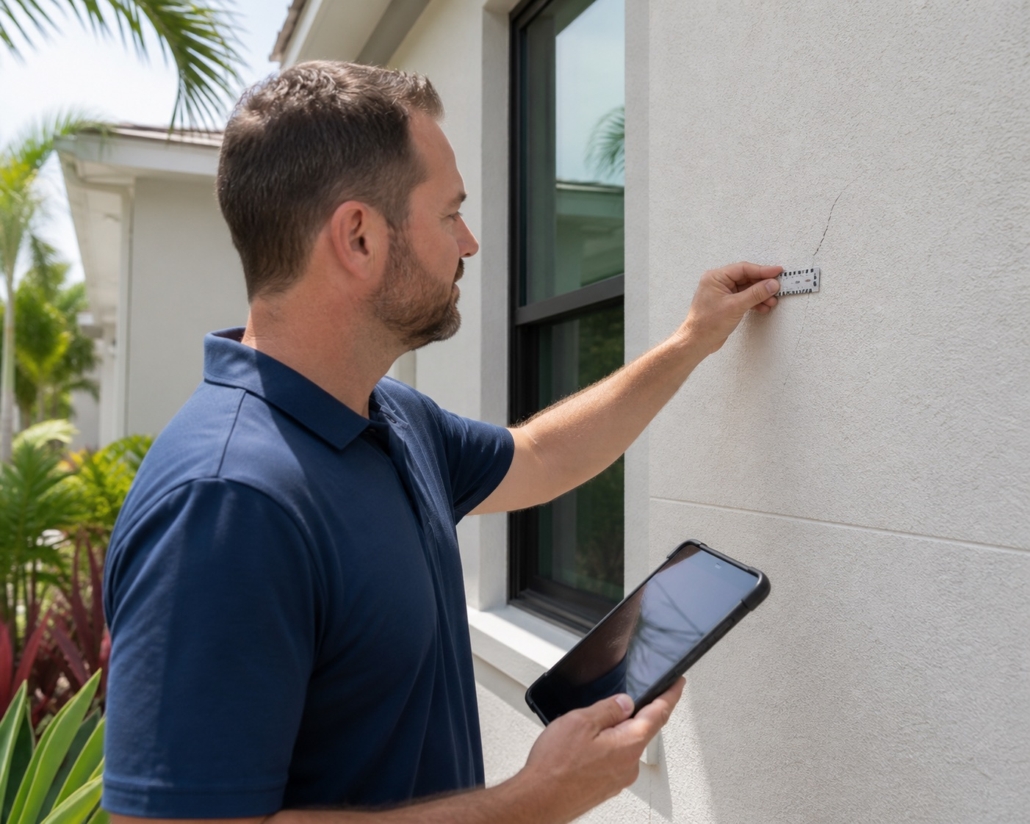
The first year in a new Lakewood Ranch home gives the building materials and systems time to experience heat, rain, cooling cycles and everyday use. An 11-month warranty inspection documents visible concerns before a typical one-year builder warranty expires, giving the homeowner time to submit a clear repair request.
Florida Property Group serves Bradenton, Sarasota, Lakewood Ranch and surrounding Southwest Florida communities. Our inspections are designed to give buyers and homeowners clear, unbiased information—not a rushed checklist or an alarmist list of defects. We provide detailed same-day reports and remain available for questions after the inspection.
Why This Matters in Southwest Florida
Lakewood Ranch homes experience their first full cycle of summer heat, heavy rain, irrigation, cooling demand and normal occupancy during the initial warranty year. That real-world use can reveal concerns that were not visible before closing. The warranty inspection is especially valuable when homeowners have kept notes about recurring symptoms such as sticking doors, condensation or intermittent leaks.
Local climate and construction practices influence what an inspector may observe, but location alone never proves that a defect exists. Conclusions should be based on visible evidence at the individual property, relevant documentation and the operating conditions present during the appointment.
Why Wait Until Month Eleven
Some defects are hidden by fresh finishes during the final walkthrough and become noticeable only after normal use. Month eleven is late enough for many conditions to appear but early enough to report them before common warranty deadlines.
Useful documentation identifies the exact location, the observable evidence and the appropriate next step. Photographs provide context, but the written explanation is what helps the client understand why the condition matters.
Roof and Attic Changes
Heavy rain and summer heat may reveal leaks, displaced insulation, condensation, duct concerns or framing movement. Accessible roof and attic areas are reevaluated for visible changes.
Conditions are not always consistent throughout a property. The inspector evaluates representative and accessible areas, notes limitations and avoids assuming that one visible location proves the condition of every concealed area.
Interior Settlement
Minor settlement is common, but doors that bind, widening cracks, loose finishes or flooring changes should be documented so the builder can determine the appropriate response.
Normal operating controls and non-invasive methods are used whenever conditions allow. If a definitive answer requires dismantling, engineering calculations or specialized instruments outside the inspection scope, the report should recommend the appropriate professional.
Plumbing and HVAC Performance
Slow leaks, drainage concerns, condensate problems and comfort differences may become apparent after occupancy. The inspection records observable conditions and system operation.
The goal is proportionate guidance. Significant safety or active-damage concerns should be clear, while ordinary maintenance should not be presented as a crisis. That distinction helps clients direct their time and contractor estimates effectively.
Building a Useful Warranty List
A photo-rich report organizes the findings by system. Homeowners can use it to create a concise warranty submission while following the builder’s specific process and deadline.
A report is most valuable when it supports action. Clients should preserve documentation, ask questions they do not understand and obtain specialist opinions before contractual or warranty deadlines when the finding could affect the decision.
How to Prepare
Good preparation improves access and reduces avoidable limitations. Before the appointment, confirm the requested scope, gather available records and make normally accessible equipment available without creating an unsafe condition. The following steps are especially useful for this service:
- Read the builder warranty and submission instructions
- Schedule before the deadline, not on the final day
- Compile recurring issues observed during occupancy
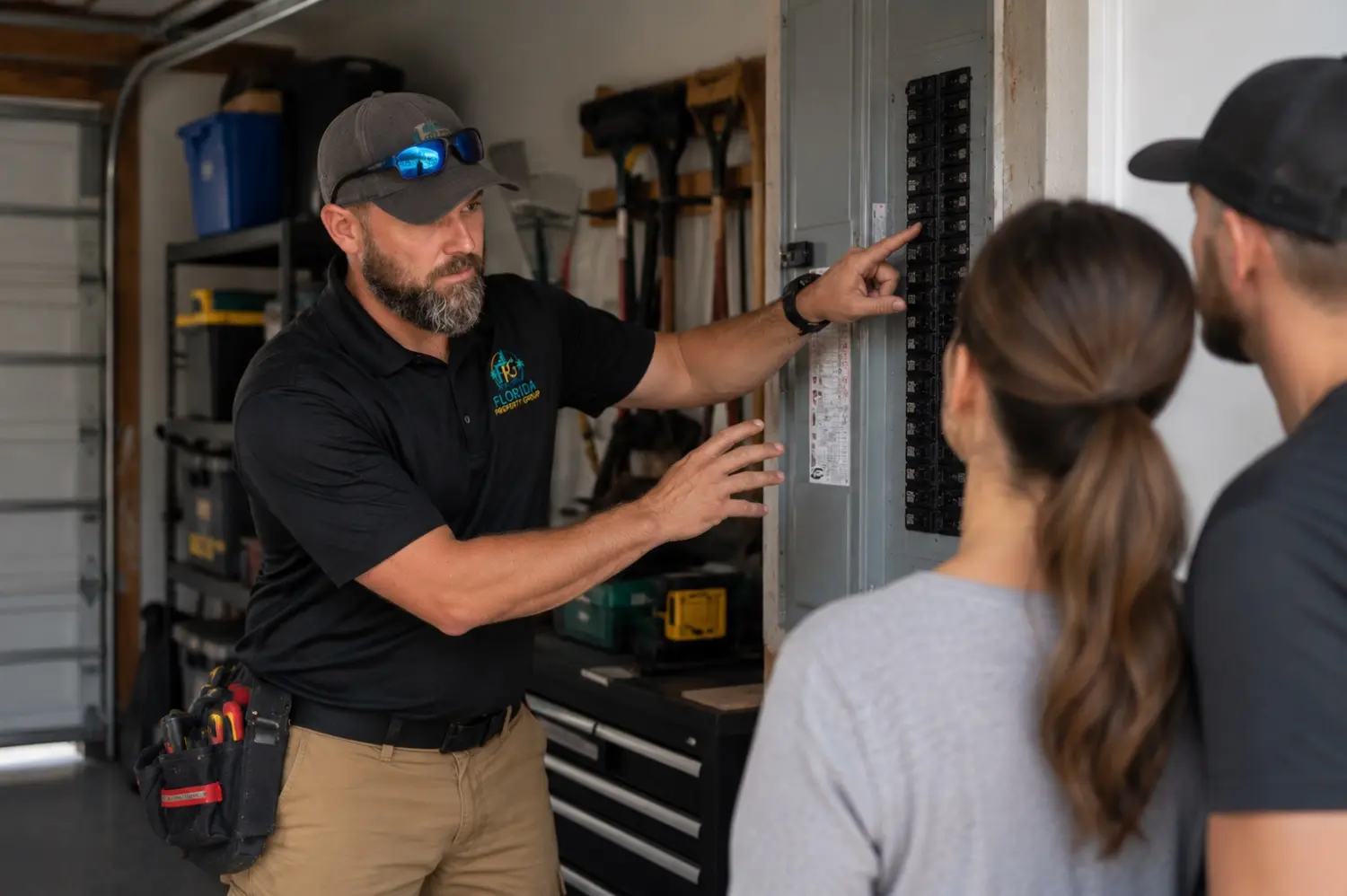
- Make attic, panels and equipment accessible
- Keep prior inspection and repair documentation available
Do not make last-minute adjustments solely to produce a preferred inspection result. Representative conditions, honest repair history and complete documentation are more valuable than a temporary appearance that cannot be verified.
How to Use the Findings
After receiving the report, compare the findings with the builder’s written warranty coverage and submission process. Submit concise descriptions and the strongest supporting photographs. Track the date submitted, builder response, trade appointments and completed repairs so unresolved items are not lost in separate conversations.
The inspector explains observed conditions and recommends appropriate next steps, but contractors establish repair methods and prices. When a finding could materially affect the transaction, insurance, warranty coverage or occupant safety, obtain the specialist’s written opinion within the applicable deadline.
Important Limitations
The inspector documents current visible conditions but does not interpret the builder’s legal obligations or decide which items are covered. Cosmetic tolerances, engineering questions and disputes over workmanship may require the builder, a qualified contractor, an engineer or legal guidance.
No inspection can eliminate every risk. The service provides a professional snapshot of accessible conditions on the inspection date. Future performance, concealed defects and intermittent problems remain possible, which is why disclosures, maintenance records and qualified specialist evaluations can be important additions to the inspection.
Frequently Asked Questions
Exactly when should I schedule?
Allow enough time to complete the inspection, review the report and submit the builder’s paperwork before the warranty deadline.
Is this the same as the original final inspection?
The scope is similar, but the home has now been occupied and exposed to normal conditions.
Does the inspector decide what the builder must repair?
No. Warranty coverage is determined by the builder and the warranty documents.
Schedule Your Inspection
Every home has a story. Florida Property Group helps you understand it so you can move forward with confidence. Learn more about 11-month warranty inspection Lakewood Ranch, review what our home inspections include, or schedule your inspection online. Questions? Call (941) 900-3342 or email hello@flpg.net.

Leave a Reply
Want to join the discussion?Feel free to contribute!