
Why New Construction Homes in Lakewood Ranch Still Need a Home Inspection
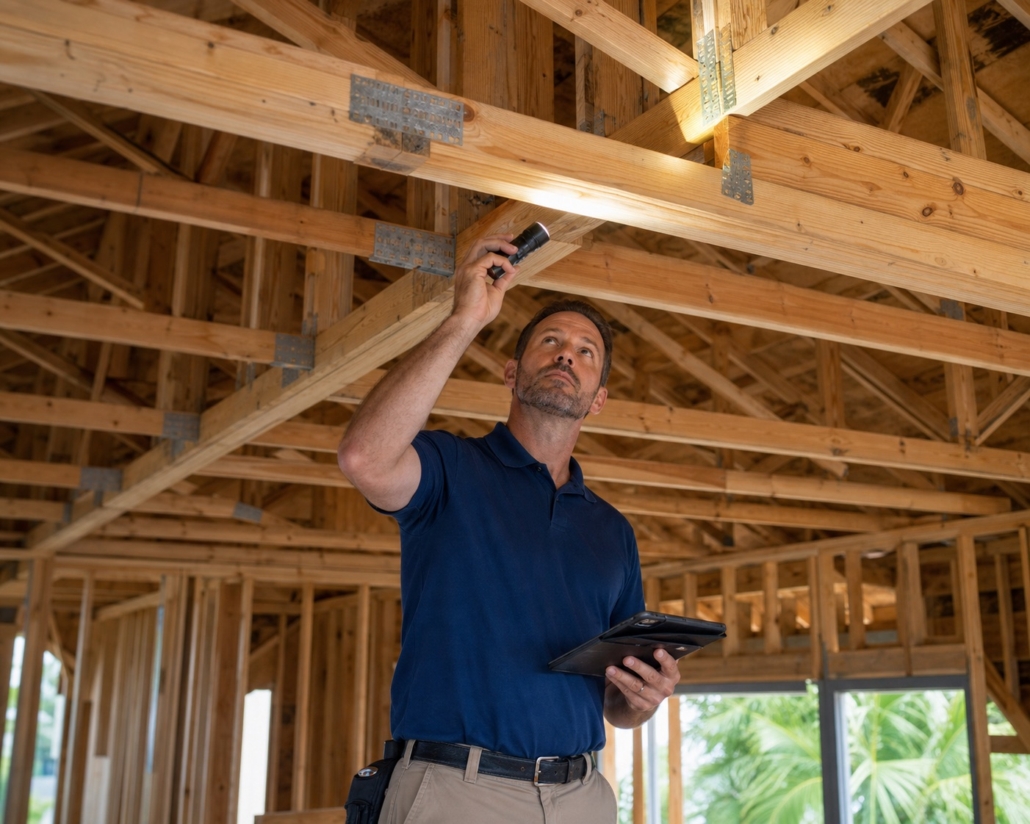
Buying a newly built home in Lakewood Ranch is exciting. Everything looks fresh, the finishes are new, and the builder has completed multiple quality-control checks. Even so, new does not automatically mean defect-free. A qualified home inspector in Lakewood Ranch provides an independent evaluation of the home before you accept it from the builder.
New-construction inspections are not about assuming the builder did poor work. Modern homes involve dozens of trades, hundreds of components, tight construction schedules, and multiple inspections occurring at different stages. Small installation errors, incomplete work, and overlooked details can happen even with reputable builders. Finding those concerns before closing—or before the builder’s warranty expires—can make repairs easier to document and address.
Why a New Home Can Still Have Inspection Findings
A new home is assembled on-site by many different contractors. The foundation, framing, roofing, plumbing, electrical, HVAC, insulation, drywall, windows, appliances, and exterior finishes may all be installed by separate crews. Each trade generally focuses on its own scope of work, while a home inspector evaluates how the accessible systems and components work together as a completed home.
Municipal building inspections are important, but they are not the same as a private home inspection. A code inspector evaluates required items within the jurisdiction’s inspection process. A private home inspection is performed for the buyer and provides a broader visual evaluation of the home’s accessible condition and operation at that moment.
Common findings in new construction may include:
- Roof-covering damage, loose materials, flashing concerns, or incomplete sealing
- Missing, displaced, or uneven attic insulation
- Disconnected, damaged, or poorly supported ductwork
- Plumbing leaks, loose fixtures, reversed hot and cold supplies, or slow drainage
- Electrical defects involving receptacles, panels, breakers, grounding, or safety devices
- Windows and doors that do not operate, latch, or seal properly
- Exterior drainage, grading, stucco, siding, or sealant concerns
- Appliances or installed systems that are incomplete or not operating as intended
- Cosmetic damage and incomplete finish work that should be documented before closing
Three Valuable Inspection Stages for New Construction
The best inspection strategy depends on the construction schedule and how much access the builder allows. In many cases, buyers benefit from inspections at more than one stage.
1. Pre-Drywall Inspection
A pre-drywall inspection occurs after major framing and rough mechanical systems are installed but before insulation and drywall conceal them. This stage provides access to areas that will soon become difficult or impossible to view.
The inspection may include accessible framing, roof structure, plumbing and electrical rough-ins, HVAC ductwork, window and door installation, visible penetrations, and other components present at the time. Because construction is still underway, the inspection is limited to installed and accessible items, but it can identify concerns while corrections are often easier to make.
2. Final New-Construction Inspection
The final inspection should take place when construction is substantially complete, utilities are active, and the home is ready for normal operation. Ideally, it occurs before the final walkthrough or closing, leaving enough time for the builder to review the report.
During a final inspection, the inspector evaluates the home’s accessible systems and components using a process similar to a resale-home inspection. This includes the roof, exterior, structure, electrical system, plumbing, HVAC, interior, attic, insulation, ventilation, installed appliances, and other accessible features.
3. 11-Month Warranty Inspection
Many builders provide a limited one-year warranty. An 11-month warranty inspection gives the homeowner an opportunity to document visible defects and performance concerns before that initial warranty period expires.
Some conditions only become noticeable after the home has been occupied through changing weather, regular plumbing use, air-conditioning operation, and normal settlement. Examples can include drywall cracking, door adjustments, plumbing leaks, condensation concerns, drainage issues, or HVAC performance problems. Warranty terms vary, so homeowners should review their builder documents and submit concerns within the required time.
What a Lakewood Ranch New-Construction Inspection Includes
Florida Property Group provides a thorough visual evaluation of the home’s accessible systems and components. Our inspections follow the applicable scope and standards for the service being performed. Findings are documented with clear descriptions and photographs so you can understand what was observed and discuss the report with the builder.
Our comprehensive inspections may include:
- Roof coverings, flashings, penetrations, and accessible roof components
- Exterior walls, stucco or siding, windows, doors, grading, and drainage
- Visible structural components and accessible attic framing
- Electrical panels, branch wiring, receptacles, switches, and safety devices
- Water supply, drains, fixtures, water heater, and accessible plumbing
- Heating and cooling equipment, registers, visible ductwork, and temperature performance
- Interior rooms, ceilings, walls, floors, doors, windows, stairs, and railings
- Attic insulation and ventilation
- Installed kitchen appliances
We also use infrared thermal imaging as a supplemental tool during full home inspections at no additional cost. Thermal imaging may reveal temperature patterns associated with missing insulation, air leakage, possible moisture intrusion, overheating electrical components, or HVAC concerns. It does not see through walls or independently confirm moisture, mold, or hidden defects; unusual patterns are evaluated alongside visible conditions and other inspection tools.
Why Local Experience Matters in Lakewood Ranch
Lakewood Ranch includes homes built by many builders across multiple villages and construction periods. Local conditions such as intense sun, heavy rain, high humidity, wind-driven weather, and year-round air-conditioning use can influence how homes perform. An inspector familiar with Southwest Florida construction knows where these conditions commonly affect roofs, exterior sealants, attic ventilation, insulation, drainage, HVAC systems, and moisture-sensitive materials.
A local inspection also provides practical context. Not every finding is an emergency, and not every cosmetic issue affects performance. A useful report should help you distinguish routine corrections from items that deserve prompt evaluation, allowing you to have a more productive conversation with your builder.
When Should You Schedule the Inspection?
For a pre-drywall inspection, contact the builder early and ask when the home will be ready for inspection before insulation or drywall installation. Construction schedules can change quickly, so coordination is important.
For a final inspection, schedule after utilities are active and construction is substantially complete but before closing whenever possible. The inspection should occur early enough for you to review the report and deliver relevant findings to the builder.
For an 11-month warranty inspection, schedule several weeks before the warranty deadline. This allows time to complete the inspection, review the report, and submit documentation according to the builder’s process.
Frequently Asked Questions
Does a brand-new home really need an inspection?
Yes. New homes can have incomplete work, installation defects, damaged materials, or systems that do not operate properly. An independent inspection gives the buyer a detailed snapshot of accessible conditions before closing.
Is a private inspection the same as a municipal code inspection?
No. Municipal inspections are part of the permitting and code-compliance process. A private home inspection is performed for the client and evaluates the accessible condition and operation of the completed home within the inspection’s scope.
Will the builder allow a third-party inspector?
Many builders do, but their policies, notice requirements, and available inspection stages vary. Review your contract and coordinate with the builder or construction representative before scheduling.
Can the inspector guarantee the builder will repair everything?
No. The inspector documents observed conditions and recommends appropriate next steps. Repair decisions depend on the purchase agreement, builder warranty, applicable requirements, and negotiations between the parties.
Should I attend the inspection?
Attendance policies may depend on the builder and construction stage. When permitted, attending near the end of the inspection can be helpful. You will also receive a detailed report and can contact us with questions after reviewing it.
Choose a Home Inspector in Lakewood Ranch Who Works for You
Every home has a story—even when it has never been lived in. Florida Property Group helps buyers understand that story through honest, unbiased inspections, advanced technology, clear same-day reporting, and continued support after the inspection.
We serve Lakewood Ranch, Bradenton, Sarasota, Parrish, and surrounding communities. To learn more, visit our home inspection overview, review our inspection services, or explore our Lakewood Ranch home inspection page.
Ready to schedule a new-construction inspection? Schedule online, call (941) 900-3342, or email hello@flpg.net.


Leave a Reply
Want to join the discussion?Feel free to contribute!