
10 Common New-Construction Defects Found in Lakewood Ranch Homes
New construction can look perfect during a final walkthrough, but a new home is still the result of hundreds of materials, trades and installation steps coming together on a tight schedule. Even reputable builders and skilled subcontractors can miss details.
That is why many buyers hire an independent home inspector in Lakewood Ranch before closing. The goal is not to criticize the builder or make a new home sound unsafe. It is to document visible defects and incomplete work while the builder still has an opportunity to address them.
Every home is different, but the following are common categories of defects that may be discovered during new-construction inspections in Lakewood Ranch and surrounding Southwest Florida communities.
1. Roof Installation and Flashing Defects
The roof may be new, but that does not guarantee every component was installed correctly. An inspection may identify damaged or displaced materials, incomplete flashing, exposed fasteners, unsealed penetrations, construction debris or areas where water could potentially enter.
Florida homes experience intense sun, heavy rain and strong wind. Small roofing details matter, especially around walls, valleys, vents and other penetrations. Addressing visible installation concerns before closing can help reduce the chance of future leaks.
2. Missing or Uneven Attic Insulation
Attic insulation can be disturbed while contractors complete electrical, HVAC and other work. We may find thin areas, compressed insulation, gaps near access points or sections that were missed entirely.
Insulation deficiencies can make portions of the home less comfortable and may increase heating and cooling demands. The attic inspection also provides an opportunity to evaluate accessible framing, ventilation, ductwork and evidence of moisture intrusion.
3. HVAC and Ductwork Concerns
A new air-conditioning system should be installed and operating properly, but problems can still occur. Examples include damaged or poorly supported ductwork, air leakage at connections, missing insulation, disconnected components, clogged or improperly routed condensate lines and rooms with weak airflow.
The HVAC system is especially important in the Lakewood Ranch climate. An inspection documents visible concerns and operating conditions so the appropriate HVAC contractor can evaluate and correct them when necessary.
4. Plumbing Leaks and Drainage Problems
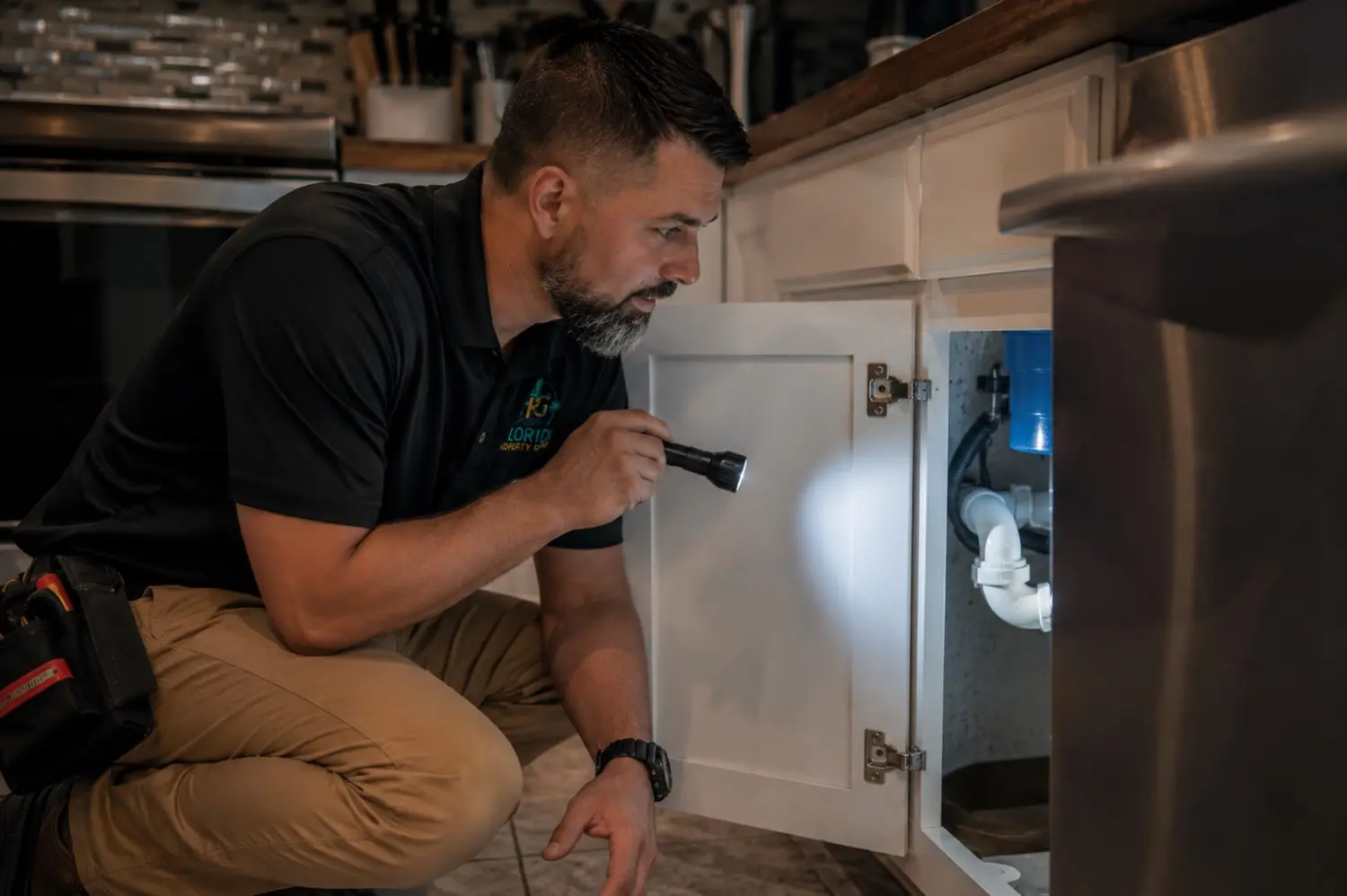
Small plumbing leaks are not always obvious during a walkthrough. Inspectors operate accessible fixtures and look beneath sinks, around toilets, near water heaters and at other visible plumbing connections.
Potential findings can include loose fittings, slow drains, leaking supply or drain connections, improperly secured fixtures, missing sealant and incorrect water temperatures. Discovering moisture early can help prevent damage to cabinets, flooring and surrounding finishes.
5. Electrical Defects and Incomplete Work
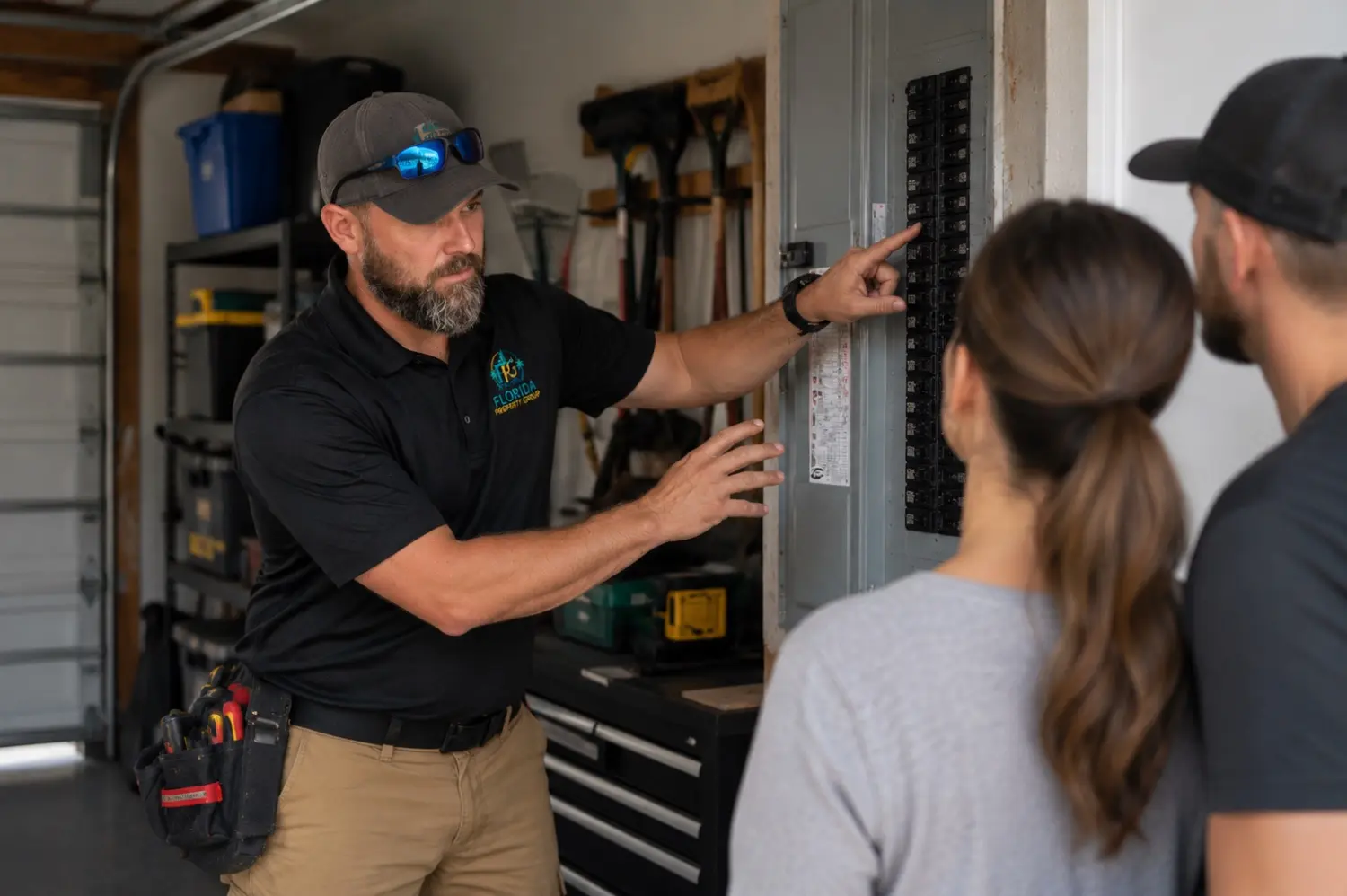
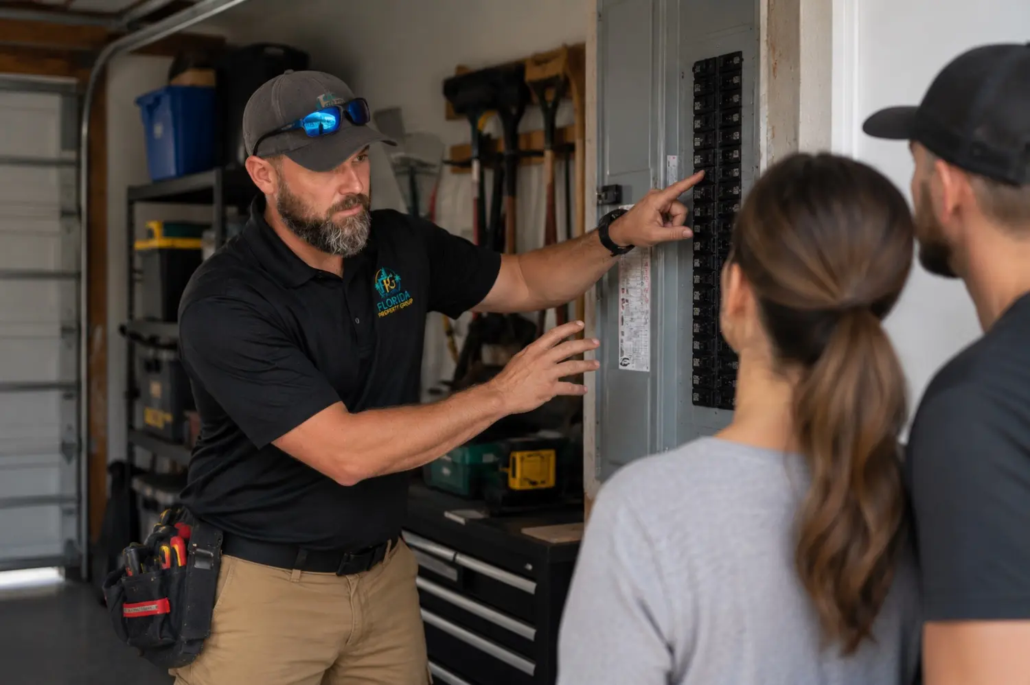
New homes can contain electrical concerns such as loose receptacles, missing covers, mislabeled breakers, improper connections, incomplete GFCI or AFCI protection and fixtures or switches that do not operate as intended.
A home inspection is a visual, non-invasive evaluation and is not a substitute for an electrical code inspection. However, it can identify accessible safety concerns or incomplete work that should be evaluated by the builder or a licensed electrician.
6. Window and Exterior Door Installation Issues
Windows and exterior doors are part of the home’s weather barrier. We may find windows that do not open, close or lock properly; damaged screens; loose hardware; incomplete perimeter sealing; damaged frames; or doors that rub, bind or allow daylight around the edges.
These conditions can affect comfort, water resistance, security and energy performance. They are often easier to correct before the buyer moves into the home.
7. Grading, Drainage and Exterior Water Management
The ground around a new home should direct water away from the structure. Construction activity, landscaping and settlement can create low areas or negative drainage near the foundation.
An inspection may also identify disconnected downspouts, incomplete splash control, clogged drains or areas where patios and walkways direct water toward the home. Florida’s heavy rainfall makes exterior drainage an important part of the inspection.
8. Interior Finish and Safety Defects
Some findings are cosmetic, while others affect function or safety. Common examples include loose handrails, damaged flooring, doors that do not latch, cracked finishes, missing caulk, loose cabinets, incomplete trim and safety devices that are missing or do not respond when tested.
A professional inspection helps organize these observations into a clear report rather than relying on a rushed walkthrough or memory.
9. Appliances and Installed Components That Do Not Operate Properly
Accessible installed appliances and components may be operated using normal controls. Even brand-new equipment can be disconnected, improperly secured, damaged or missing required accessories.
Examples can include dishwashers that leak, ranges that are not secured, garbage disposals that do not operate, exhaust fans that vent improperly and garage doors with safety features that need correction.
10. Incomplete Construction and Debris
Final inspections sometimes reveal unfinished work that is easy to overlook: missing fasteners, open penetrations, absent covers, leftover construction materials, incomplete sealing or components that were installed but never finished.
These items may be simple for the builder to correct, but documenting them before closing gives the buyer a clear record and an opportunity to request completion.
Why Have a New Home Independently Inspected?
Municipal inspections and builder quality-control processes serve important purposes, but they are not the same as an independent home inspection performed for the buyer. A home inspector evaluates the accessible systems and components as a whole and explains the findings in practical language.
Florida Property Group provides a detailed, photo-rich report designed to help buyers understand the home’s condition and communicate documented concerns to their builder. You can learn more about new-construction home inspections in Lakewood Ranch, review what our inspections include or see how our inspection reports are organized.
Frequently Asked Questions
Does a brand-new Lakewood Ranch home really need an inspection?
An inspection is not legally required in most purchases, but many buyers choose one because new homes can still contain incomplete work, installation defects or components that need adjustment.
When should I schedule the final new-construction inspection?
The inspection is generally most useful after construction is substantially complete and utilities and major systems are operating, but early enough to allow the builder time to review the report before the final walkthrough or closing. Confirm timing and access with your builder.
Is a home inspection the same as a building-code inspection?
No. A home inspection is a visual evaluation of accessible systems and components under a home-inspection standard of practice. It does not replace municipal inspections, engineering services or specialized code-compliance evaluations.
Can the builder attend or receive the report?
The inspection report belongs to the client, who may choose to share it with the builder or construction representative. Builders commonly use the documented photos and descriptions to assign corrections to the appropriate trades.
Should I also get an 11-month warranty inspection?
Yes, it can be valuable even if the home received a final inspection. Some conditions become visible only after the home has been occupied and experienced normal weather and system use. An 11-month inspection provides another opportunity to document concerns before a typical one-year builder warranty expires.
Schedule a New-Construction Inspection in Lakewood Ranch
Every home has a story—even before the first owner moves in. Florida Property Group provides independent new-construction inspections throughout Lakewood Ranch, Bradenton, Sarasota and surrounding communities. We deliver clear findings, helpful photographs and continued support so you can move forward with confidence.
Call or text (941) 900-3342, email hello@flpg.net, or schedule your inspection online.


Leave a Reply
Want to join the discussion?Feel free to contribute!