
A swimming pool is a major feature of many Bradenton homes, but it also contains pumps, filters, heaters, electrical components, barriers and finishes that can be expensive to repair. Adding a pool inspection to a home inspection helps buyers understand the visible condition and operation of accessible equipment.

Florida Property Group serves Bradenton, Sarasota, Lakewood Ranch and surrounding Southwest Florida communities. Our inspections are designed to give buyers and homeowners clear, unbiased information—not a rushed checklist or an alarmist list of defects. We provide detailed same-day reports and remain available for questions after the inspection.
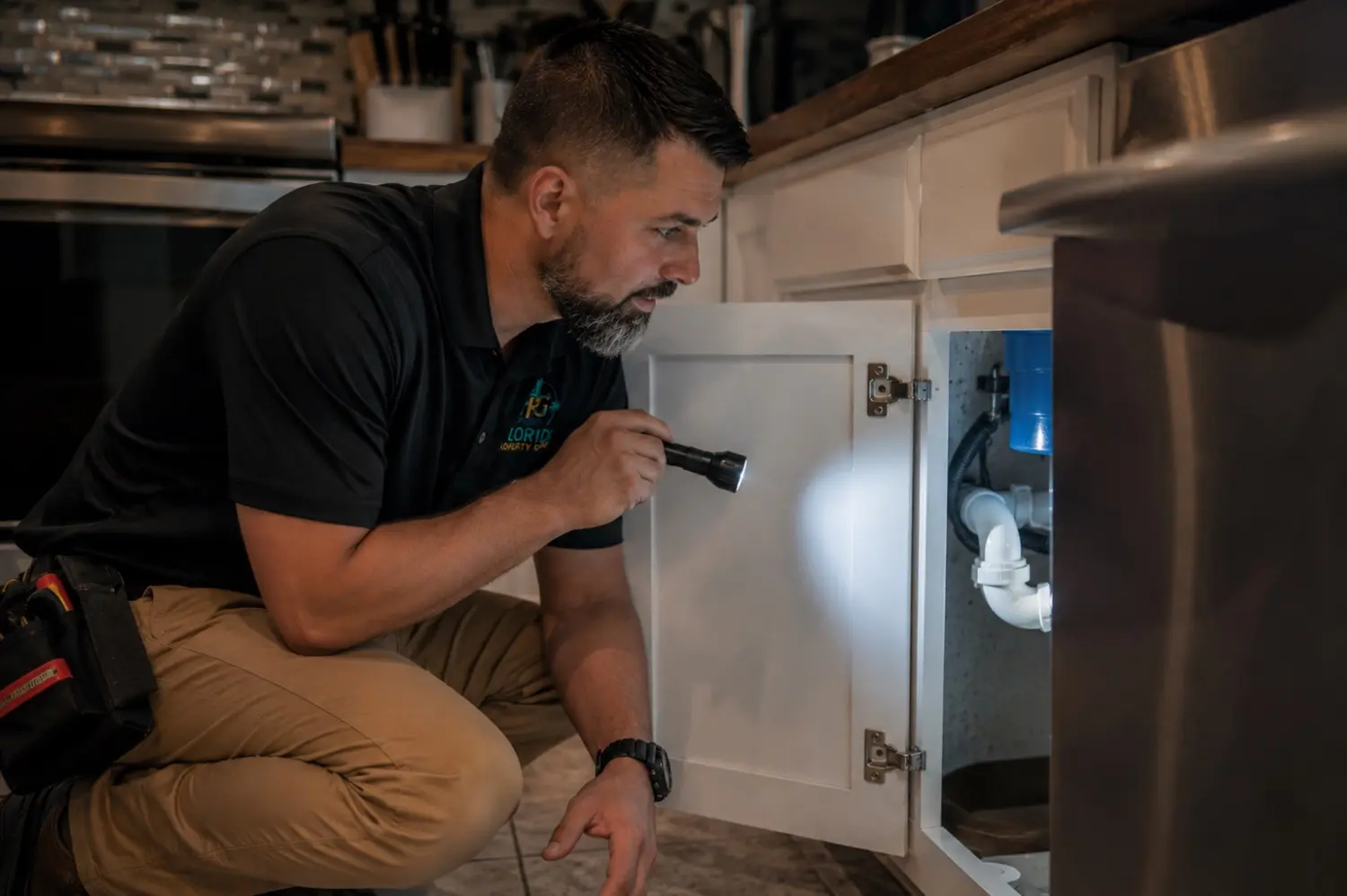
Florida Property Group inspector checking plumbing during a pool inspection Bradenton
A Florida Property Group inspector evaluates accessible plumbing components beneath a kitchen sink.

Why This Matters in Southwest Florida

Bradenton pools operate through long warm seasons and are exposed to intense sun, heavy rain and frequent chemical use. Small leaks at equipment, deteriorated seals, damaged deck areas and aging heaters can become costly when ignored. Buyers benefit from understanding the difference between normal maintenance and a condition that needs a pool contractor.

Local climate and construction practices influence what an inspector may observe, but location alone never proves that a defect exists. Conclusions should be based on visible evidence at the individual property, relevant documentation and the operating conditions present during the appointment.

Pool Structure and Finish

The inspector looks for visible cracking, damaged coping, deteriorated finishes and other observable concerns. Water can limit visibility, and the inspection does not include destructive or pressure testing.

Useful documentation identifies the exact location, the observable evidence and the appropriate next step. Photographs provide context, but the written explanation is what helps the client understand why the condition matters.

Pumps, Filters and Heaters

Accessible equipment is operated using normal controls when conditions permit. Leakage, unusual noise, poor circulation and visible deterioration are documented.

Conditions are not always consistent throughout a property. The inspector evaluates representative and accessible areas, notes limitations and avoids assuming that one visible location proves the condition of every concealed area.

Electrical Safety

Accessible bonding, wiring, GFCI protection and equipment clearances are visually reviewed. Specialized electrical testing or design verification may require a licensed contractor.

Normal operating controls and non-invasive methods are used whenever conditions allow. If a definitive answer requires dismantling, engineering calculations or specialized instruments outside the inspection scope, the report should recommend the appropriate professional.

Barriers and Safety Features

Fences, gates, doors and alarms may form part of the pool barrier. Requirements vary, but obvious missing or nonfunctional safety features deserve attention.

The goal is proportionate guidance. Significant safety or active-damage concerns should be clear, while ordinary maintenance should not be presented as a crisis. That distinction helps clients direct their time and contractor estimates effectively.

Drainage Around the Pool

Deck conditions, settlement and drainage patterns can affect safety and water management. Florida rain makes proper drainage around the pool and home particularly important.

A report is most valuable when it supports action. Clients should preserve documentation, ask questions they do not understand and obtain specialist opinions before contractual or warranty deadlines when the finding could affect the decision.

How to Prepare

Good preparation improves access and reduces avoidable limitations. Before the appointment, confirm the requested scope, gather available records and make normally accessible equipment available without creating an unsafe condition. The following steps are especially useful for this service:

  • Confirm the pool is filled to a normal operating level
  • Ask that pumps and controls remain available
  • Locate heater, automation and lighting controls
  • Remove objects blocking equipment access
  • Request available service and resurfacing records

Do not make last-minute adjustments solely to produce a preferred inspection result. Representative conditions, honest repair history and complete documentation are more valuable than a temporary appearance that cannot be verified.

How to Use the Findings

Use the report to separate observable defects from services that require specialized testing. A leaking pump fitting or nonfunctional heater may be documented during the inspection, while underground leak detection, water chemistry analysis and pressure testing require pool specialists. Obtain contractor estimates before assuming the cost of a correction.

The inspector explains observed conditions and recommends appropriate next steps, but contractors establish repair methods and prices. When a finding could materially affect the transaction, insurance, warranty coverage or occupant safety, obtain the specialist’s written opinion within the applicable deadline.

Important Limitations

A visual pool inspection cannot determine the condition of underground plumbing, guarantee that the shell is watertight or calculate remaining finish life precisely. Equipment may not be operated when water level, weather, safety or access makes testing inappropriate. Local code compliance is not certified.

No inspection can eliminate every risk. The service provides a professional snapshot of accessible conditions on the inspection date. Future performance, concealed defects and intermittent problems remain possible, which is why disclosures, maintenance records and qualified specialist evaluations can be important additions to the inspection.

Frequently Asked Questions

Do you inspect the underground plumbing?

No. Underground piping is concealed and outside a visual home inspection.

Can you guarantee a pool does not leak?

No. Leak detection requires specialized testing.

Is a pool inspection available by itself?

Contact Florida Property Group to confirm scheduling and the appropriate service for the property.

Schedule Your Inspection

Every home has a story. Florida Property Group helps you understand it so you can move forward with confidence. Learn more about pool inspection Bradenton, review what our home inspections include, or schedule your inspection online. Questions? Call (941) 900-3342 or email hello@flpg.net.
Infrared thermography can reveal temperature differences that are not obvious during a visual inspection. Florida Property Group uses this technology as an additional screening tool during full home inspections at no extra charge. It supports the inspection, but it does not see through walls or identify a defect by itself.

Florida Property Group serves Bradenton, Sarasota, Lakewood Ranch and surrounding Southwest Florida communities. Our inspections are designed to give buyers and homeowners clear, unbiased information—not a rushed checklist or an alarmist list of defects. We provide detailed same-day reports and remain available for questions after the inspection.

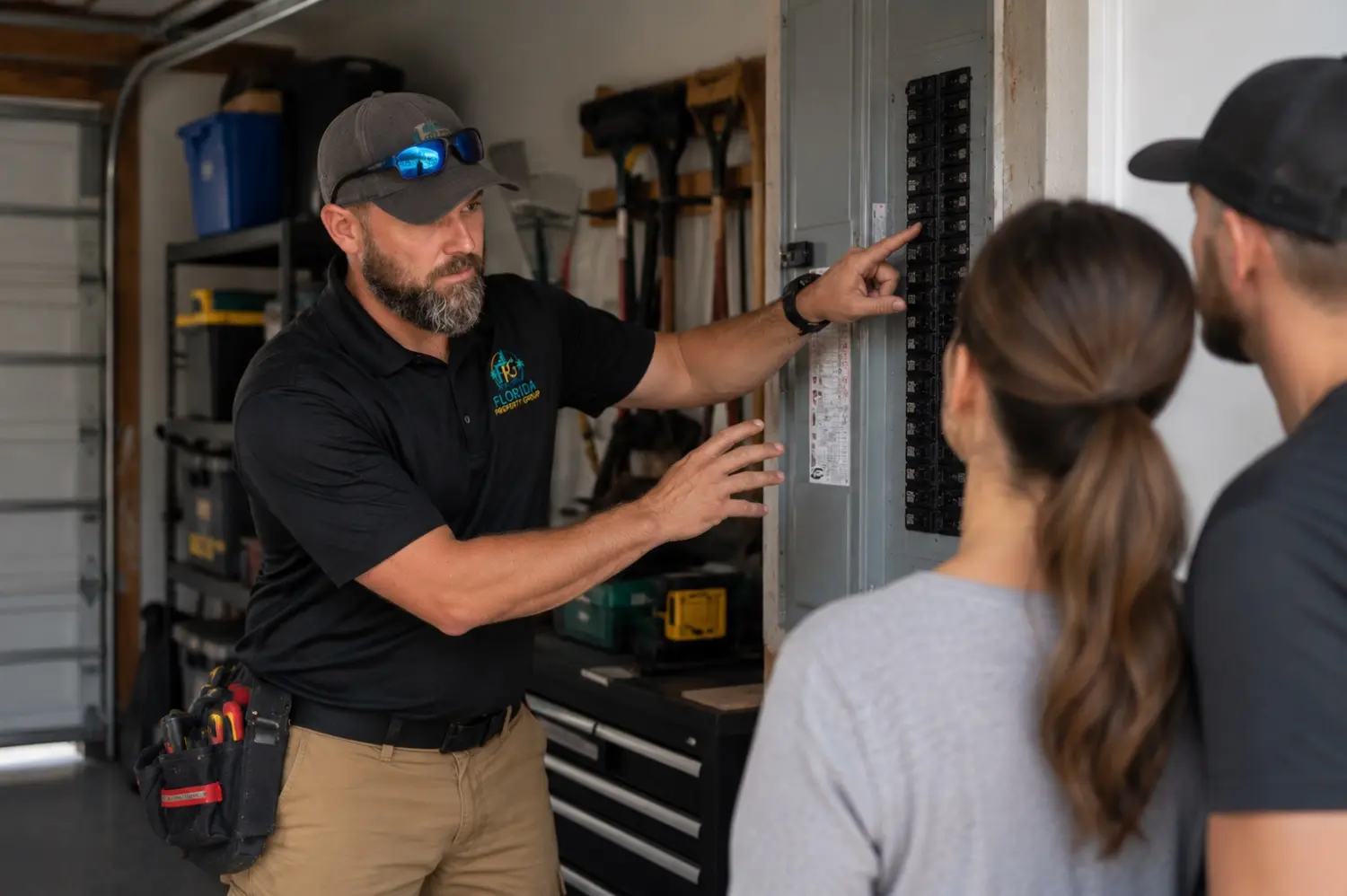
Florida Property Group inspector explaining an electrical panel during a infrared thermography home inspection Florida
A Florida Property Group inspector explains an electrical panel and the observed conditions to homebuyers.

Why This Matters in Southwest Florida

Florida homes experience strong solar heating, high humidity and long cooling seasons, all of which create temperature patterns. A thermal anomaly can be meaningful, but it can also result from sunlight, air movement, reflective surfaces or normal construction. Certified Residential Thermographer training helps the inspector interpret patterns carefully rather than treating every color difference as a defect.

Local climate and construction practices influence what an inspector may observe, but location alone never proves that a defect exists. Conclusions should be based on visible evidence at the individual property, relevant documentation and the operating conditions present during the appointment.

What a Thermal Camera Shows

The camera displays surface-temperature patterns. An unusual pattern may be associated with moisture, missing insulation, air leakage, electrical heat or normal environmental conditions.

Useful documentation identifies the exact location, the observable evidence and the appropriate next step. Photographs provide context, but the written explanation is what helps the client understand why the condition matters.

Moisture Screening

When conditions are favorable, thermal patterns can help direct the inspector toward areas that deserve closer evaluation with a moisture meter. Confirmation is important because temperature differences have several possible causes.

Conditions are not always consistent throughout a property. The inspector evaluates representative and accessible areas, notes limitations and avoids assuming that one visible location proves the condition of every concealed area.

Insulation and Air Leakage

Missing or displaced insulation may create recognizable patterns across ceilings or walls. Temperature, sun exposure and HVAC operation influence what can be observed.

Normal operating controls and non-invasive methods are used whenever conditions allow. If a definitive answer requires dismantling, engineering calculations or specialized instruments outside the inspection scope, the report should recommend the appropriate professional.

Electrical and Mechanical Heat

Abnormal heat at accessible electrical or mechanical components can indicate a need for further evaluation. Load, connection type and surrounding temperatures must be considered before drawing conclusions.

The goal is proportionate guidance. Significant safety or active-damage concerns should be clear, while ordinary maintenance should not be presented as a crisis. That distinction helps clients direct their time and contractor estimates effectively.

Important Limitations

Thermography is not an X-ray and cannot guarantee discovery of hidden moisture or concealed defects. The most reliable conclusions combine thermal observations with visual evidence and appropriate testing.

A report is most valuable when it supports action. Clients should preserve documentation, ask questions they do not understand and obtain specialist opinions before contractual or warranty deadlines when the finding could affect the decision.

How to Prepare

Good preparation improves access and reduces avoidable limitations. Before the appointment, confirm the requested scope, gather available records and make normally accessible equipment available without creating an unsafe condition. The following steps are especially useful for this service:

  • Keep the HVAC operating normally before inspection
  • Do not conceal recent leaks or repairs
  • Provide access to electrical panels and attic openings
  • Tell the inspector about known moisture concerns
  • Understand that favorable temperature differences are necessary

Do not make last-minute adjustments solely to produce a preferred inspection result. Representative conditions, honest repair history and complete documentation are more valuable than a temporary appearance that cannot be verified.

How to Use the Findings

A useful thermal finding should be paired with a conventional photograph, location, temperature context and—when appropriate—a moisture-meter reading or recommendation for specialist evaluation. The color palette alone is not evidence. Clients should focus on the documented explanation and confirmation method.

The inspector explains observed conditions and recommends appropriate next steps, but contractors establish repair methods and prices. When a finding could materially affect the transaction, insurance, warranty coverage or occupant safety, obtain the specialist’s written opinion within the applicable deadline.

Important Limitations

Infrared equipment measures surface temperature; it does not see through walls, measure moisture directly or identify mold. Dry conditions, similar indoor and outdoor temperatures, insulation and building materials can hide defects. Thermography improves the inspection but cannot eliminate the limitations of a visual, non-invasive service.

No inspection can eliminate every risk. The service provides a professional snapshot of accessible conditions on the inspection date. Future performance, concealed defects and intermittent problems remain possible, which is why disclosures, maintenance records and qualified specialist evaluations can be important additions to the inspection.

Frequently Asked Questions

Is infrared included?

Yes, infrared thermography is included at no additional charge with Florida Property Group full home inspections.

Does it prove mold is present?

No. Mold identification requires appropriate sampling and laboratory analysis.

Can it find every leak?

No. Conditions at the time of inspection determine whether a temperature difference is visible.

Schedule Your Inspection

Every home has a story. Florida Property Group helps you understand it so you can move forward with confidence. Learn more about infrared thermography home inspection Florida, review what our home inspections include, or schedule your inspection online. Questions? Call (941) 900-3342 or email hello@flpg.net.


New construction can look perfect during a final walkthrough, but a new home is still the result of hundreds of materials, trades and installation steps coming together on a tight schedule. Even reputable builders and skilled subcontractors can miss details.

That is why many buyers hire an independent home inspector in Lakewood Ranch before closing. The goal is not to criticize the builder or make a new home sound unsafe. It is to document visible defects and incomplete work while the builder still has an opportunity to address them.

Every home is different, but the following are common categories of defects that may be discovered during new-construction inspections in Lakewood Ranch and surrounding Southwest Florida communities.

1. Roof Installation and Flashing Defects

The roof may be new, but that does not guarantee every component was installed correctly. An inspection may identify damaged or displaced materials, incomplete flashing, exposed fasteners, unsealed penetrations, construction debris or areas where water could potentially enter.

Florida homes experience intense sun, heavy rain and strong wind. Small roofing details matter, especially around walls, valleys, vents and other penetrations. Addressing visible installation concerns before closing can help reduce the chance of future leaks.

2. Missing or Uneven Attic Insulation

Attic insulation can be disturbed while contractors complete electrical, HVAC and other work. We may find thin areas, compressed insulation, gaps near access points or sections that were missed entirely.

Insulation deficiencies can make portions of the home less comfortable and may increase heating and cooling demands. The attic inspection also provides an opportunity to evaluate accessible framing, ventilation, ductwork and evidence of moisture intrusion.

3. HVAC and Ductwork Concerns

A new air-conditioning system should be installed and operating properly, but problems can still occur. Examples include damaged or poorly supported ductwork, air leakage at connections, missing insulation, disconnected components, clogged or improperly routed condensate lines and rooms with weak airflow.

The HVAC system is especially important in the Lakewood Ranch climate. An inspection documents visible concerns and operating conditions so the appropriate HVAC contractor can evaluate and correct them when necessary.

4. Plumbing Leaks and Drainage Problems

Florida Property Group home inspector checking plumbing beneath a kitchen sink in Lakewood Ranch
A Florida Property Group inspector checks the visible plumbing beneath a kitchen sink.

Small plumbing leaks are not always obvious during a walkthrough. Inspectors operate accessible fixtures and look beneath sinks, around toilets, near water heaters and at other visible plumbing connections.

Potential findings can include loose fittings, slow drains, leaking supply or drain connections, improperly secured fixtures, missing sealant and incorrect water temperatures. Discovering moisture early can help prevent damage to cabinets, flooring and surrounding finishes.

5. Electrical Defects and Incomplete Work

Florida Property Group home inspector explaining an electrical panel to homebuyers in Lakewood Ranch
A Florida Property Group inspector reviews an electrical panel with homebuyers.

New homes can contain electrical concerns such as loose receptacles, missing covers, mislabeled breakers, improper connections, incomplete GFCI or AFCI protection and fixtures or switches that do not operate as intended.

A home inspection is a visual, non-invasive evaluation and is not a substitute for an electrical code inspection. However, it can identify accessible safety concerns or incomplete work that should be evaluated by the builder or a licensed electrician.

6. Window and Exterior Door Installation Issues

Windows and exterior doors are part of the home’s weather barrier. We may find windows that do not open, close or lock properly; damaged screens; loose hardware; incomplete perimeter sealing; damaged frames; or doors that rub, bind or allow daylight around the edges.

These conditions can affect comfort, water resistance, security and energy performance. They are often easier to correct before the buyer moves into the home.

7. Grading, Drainage and Exterior Water Management

The ground around a new home should direct water away from the structure. Construction activity, landscaping and settlement can create low areas or negative drainage near the foundation.

An inspection may also identify disconnected downspouts, incomplete splash control, clogged drains or areas where patios and walkways direct water toward the home. Florida’s heavy rainfall makes exterior drainage an important part of the inspection.

8. Interior Finish and Safety Defects

Some findings are cosmetic, while others affect function or safety. Common examples include loose handrails, damaged flooring, doors that do not latch, cracked finishes, missing caulk, loose cabinets, incomplete trim and safety devices that are missing or do not respond when tested.

A professional inspection helps organize these observations into a clear report rather than relying on a rushed walkthrough or memory.

9. Appliances and Installed Components That Do Not Operate Properly

Accessible installed appliances and components may be operated using normal controls. Even brand-new equipment can be disconnected, improperly secured, damaged or missing required accessories.

Examples can include dishwashers that leak, ranges that are not secured, garbage disposals that do not operate, exhaust fans that vent improperly and garage doors with safety features that need correction.

10. Incomplete Construction and Debris

Final inspections sometimes reveal unfinished work that is easy to overlook: missing fasteners, open penetrations, absent covers, leftover construction materials, incomplete sealing or components that were installed but never finished.

These items may be simple for the builder to correct, but documenting them before closing gives the buyer a clear record and an opportunity to request completion.

Why Have a New Home Independently Inspected?

Municipal inspections and builder quality-control processes serve important purposes, but they are not the same as an independent home inspection performed for the buyer. A home inspector evaluates the accessible systems and components as a whole and explains the findings in practical language.

Florida Property Group provides a detailed, photo-rich report designed to help buyers understand the home’s condition and communicate documented concerns to their builder. You can learn more about new-construction home inspections in Lakewood Ranch, review what our inspections include or see how our inspection reports are organized.

Frequently Asked Questions

Does a brand-new Lakewood Ranch home really need an inspection?

An inspection is not legally required in most purchases, but many buyers choose one because new homes can still contain incomplete work, installation defects or components that need adjustment.

When should I schedule the final new-construction inspection?

The inspection is generally most useful after construction is substantially complete and utilities and major systems are operating, but early enough to allow the builder time to review the report before the final walkthrough or closing. Confirm timing and access with your builder.

Is a home inspection the same as a building-code inspection?

No. A home inspection is a visual evaluation of accessible systems and components under a home-inspection standard of practice. It does not replace municipal inspections, engineering services or specialized code-compliance evaluations.

Can the builder attend or receive the report?

The inspection report belongs to the client, who may choose to share it with the builder or construction representative. Builders commonly use the documented photos and descriptions to assign corrections to the appropriate trades.

Should I also get an 11-month warranty inspection?

Yes, it can be valuable even if the home received a final inspection. Some conditions become visible only after the home has been occupied and experienced normal weather and system use. An 11-month inspection provides another opportunity to document concerns before a typical one-year builder warranty expires.

Schedule a New-Construction Inspection in Lakewood Ranch

Every home has a story—even before the first owner moves in. Florida Property Group provides independent new-construction inspections throughout Lakewood Ranch, Bradenton, Sarasota and surrounding communities. We deliver clear findings, helpful photographs and continued support so you can move forward with confidence.

Call or text (941) 900-3342, email hello@flpg.net, or schedule your inspection online.

Chat