Roof Inspection Concerns Commonly Found on Southwest Florida Homes
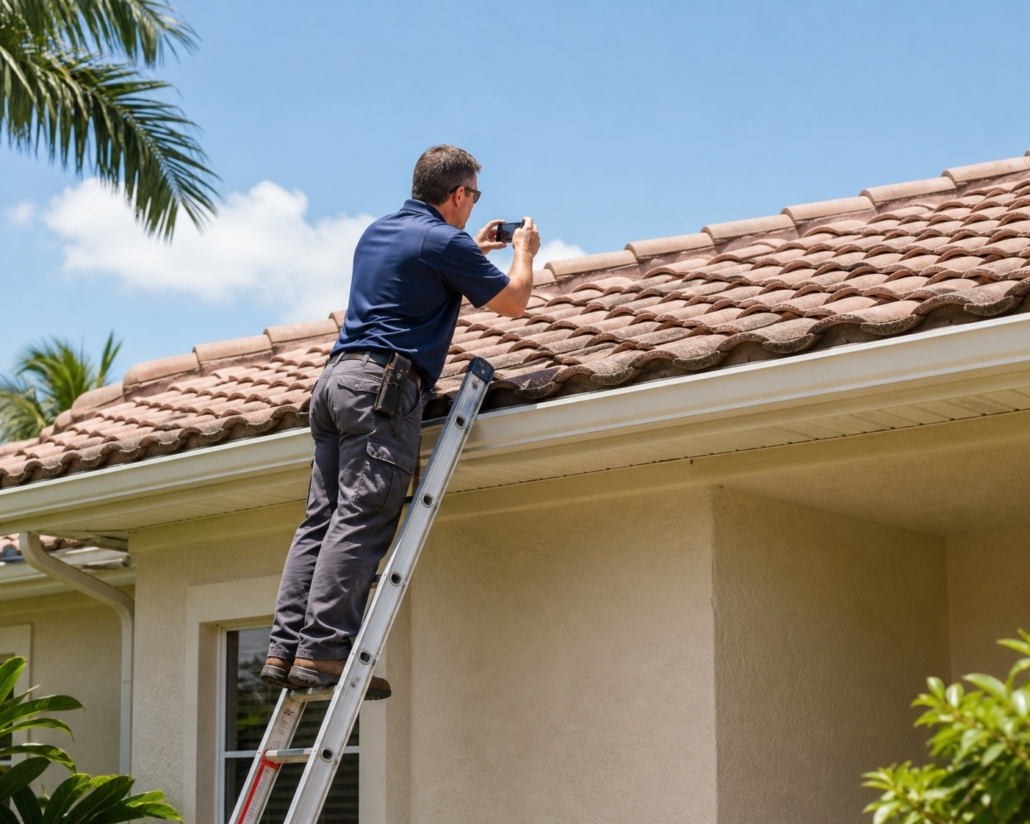
A roof is one of the most important and expensive systems on a Southwest Florida home. Sun, wind and heavy rain can accelerate deterioration, while installation details around penetrations and transitions often determine whether water stays outside. A home inspection evaluates visible, accessible roofing conditions and reports concerns that warrant repair or specialized evaluation.
Florida Property Group serves Bradenton, Sarasota, Lakewood Ranch and surrounding Southwest Florida communities. Our inspections are designed to give buyers and homeowners clear, unbiased information—not a rushed checklist or an alarmist list of defects. We provide detailed same-day reports and remain available for questions after the inspection.
Why This Matters in Southwest Florida
Southwest Florida roofs face ultraviolet exposure, high attic temperatures, tropical rainfall and wind. Tile, shingle and metal systems each shed water differently, but all depend on correct transitions, flashings and underlayment. A roof that looks acceptable from the street may still have vulnerable penetrations or evidence of prior leakage in the attic.
Local climate and construction practices influence what an inspector may observe, but location alone never proves that a defect exists. Conclusions should be based on visible evidence at the individual property, relevant documentation and the operating conditions present during the appointment.
Damaged or Displaced Materials
Cracked tiles, lifted shingles, loose metal components and damaged ridge materials can expose vulnerable areas. The significance depends on location, extent and the roof system.
Useful documentation identifies the exact location, the observable evidence and the appropriate next step. Photographs provide context, but the written explanation is what helps the client understand why the condition matters.
Flashing and Penetrations
Walls, valleys, vents, skylights and plumbing penetrations rely on proper flashing and sealing. Defects in these areas are frequent sources of moisture intrusion.
Conditions are not always consistent throughout a property. The inspector evaluates representative and accessible areas, notes limitations and avoids assuming that one visible location proves the condition of every concealed area.
Prior Repairs
Patches and sealants may indicate a history of leakage. A repair is not automatically defective, but its condition and surrounding evidence should be evaluated.
Normal operating controls and non-invasive methods are used whenever conditions allow. If a definitive answer requires dismantling, engineering calculations or specialized instruments outside the inspection scope, the report should recommend the appropriate professional.
Attic Evidence
Accessible attic areas can reveal staining, damaged decking, daylight or elevated moisture. A dry reading during one inspection does not prove a roof has never leaked.
The goal is proportionate guidance. Significant safety or active-damage concerns should be clear, while ordinary maintenance should not be presented as a crisis. That distinction helps clients direct their time and contractor estimates effectively.
Insurance Documentation
A home inspection is not a roof certification. Insurance carriers may require permits, invoices, remaining-life statements or separate forms, so homeowners should confirm requirements with their agent.
A report is most valuable when it supports action. Clients should preserve documentation, ask questions they do not understand and obtain specialist opinions before contractual or warranty deadlines when the finding could affect the decision.
How to Prepare
Good preparation improves access and reduces avoidable limitations. Before the appointment, confirm the requested scope, gather available records and make normally accessible equipment available without creating an unsafe condition. The following steps are especially useful for this service:
- Provide roof permits and replacement invoices
- Disclose known leaks and recent repairs
- Clear the attic opening and nearby storage
- Avoid scheduling repairs during the inspection
- Ask the insurer about separate documentation requirements
Do not make last-minute adjustments solely to produce a preferred inspection result. Representative conditions, honest repair history and complete documentation are more valuable than a temporary appearance that cannot be verified.
How to Use the Findings
When a report recommends roofing evaluation, give the contractor the location and photographs rather than asking for a general roof quote. The contractor should determine whether a localized repair or broader work is appropriate. Obtain written findings, repair scope and warranty information for future owners and insurers.
The inspector explains observed conditions and recommends appropriate next steps, but contractors establish repair methods and prices. When a finding could materially affect the transaction, insurance, warranty coverage or occupant safety, obtain the specialist’s written opinion within the applicable deadline.
Important Limitations
A home inspection is not a roof warranty or certification. Weather, height, pitch, fragile materials and safety conditions may prevent walking the surface. The inspector cannot see beneath intact coverings or predict the exact timing of future leakage, and a dry attic on one day does not eliminate the possibility of intermittent leaks.
No inspection can eliminate every risk. The service provides a professional snapshot of accessible conditions on the inspection date. Future performance, concealed defects and intermittent problems remain possible, which is why disclosures, maintenance records and qualified specialist evaluations can be important additions to the inspection.
Frequently Asked Questions
Do inspectors always walk the roof?
The method depends on height, pitch, material, weather and safety. Drones, ladders or ground observations may be used when walking is unsafe.
Can an inspection predict exactly when a roof will leak?
No. It documents current visible conditions, not future performance.
Who should repair roof defects?
A qualified roofing contractor should evaluate and repair significant concerns.
Schedule Your Inspection
Every home has a story. Florida Property Group helps you understand it so you can move forward with confidence. Learn more about roof inspection Southwest Florida, review what our home inspections include, or schedule your inspection online. Questions? Call (941) 900-3342 or email hello@flpg.net.

Leave a Reply
Want to join the discussion?Feel free to contribute!