
Why New Construction Homes in Lakewood Ranch Still Need an Inspection
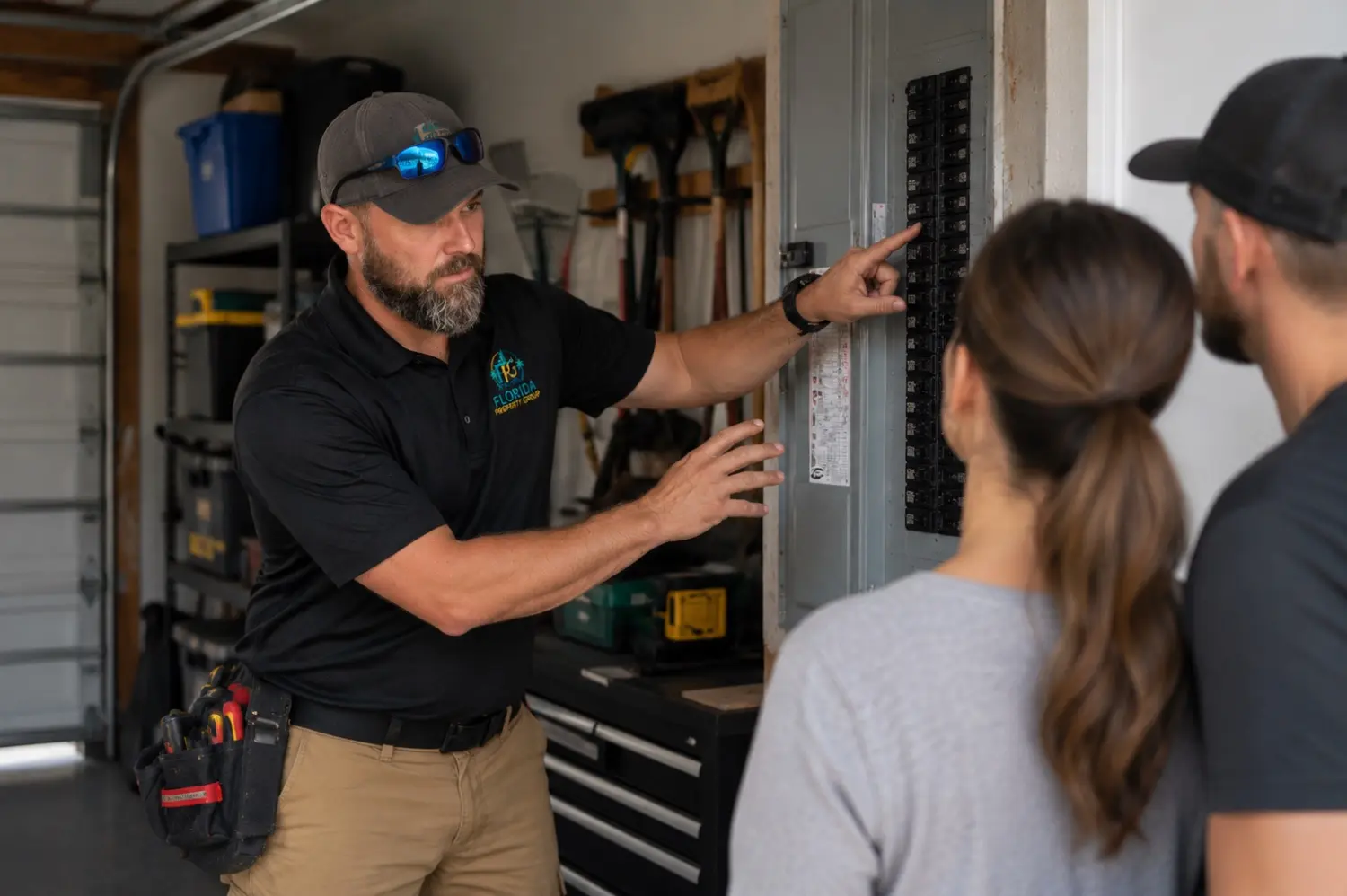
A newly built home may look finished during the final walkthrough, but it is still the product of many trades working on a deadline. An independent new construction inspection in Lakewood Ranch gives buyers a clearer picture of the home before closing and while the builder can still address documented concerns.
Florida Property Group serves Bradenton, Sarasota, Lakewood Ranch and surrounding Southwest Florida communities. Our inspections are designed to give buyers and homeowners clear, unbiased information—not a rushed checklist or an alarmist list of defects. We provide detailed same-day reports and remain available for questions after the inspection.
Why This Matters in Southwest Florida
Lakewood Ranch construction moves quickly and a single house can involve dozens of subcontractors. Municipal inspections and builder quality-control checks are important, but they are performed for different purposes than an independent inspection for the buyer. The buyer’s inspection looks at the accessible home as a complete system and explains how visible defects may affect use, safety or durability.
Local climate and construction practices influence what an inspector may observe, but location alone never proves that a defect exists. Conclusions should be based on visible evidence at the individual property, relevant documentation and the operating conditions present during the appointment.
New Does Not Mean Defect-Free
Even experienced builders can have missed, incomplete or damaged components. Common findings include displaced roof materials, uneven attic insulation, plumbing leaks, loose electrical devices, damaged ductwork and doors or windows that need adjustment.
Useful documentation identifies the exact location, the observable evidence and the appropriate next step. Photographs provide context, but the written explanation is what helps the client understand why the condition matters.
The Best Time to Schedule
A final inspection is generally most useful after construction is substantially complete and utilities are operating, but before the final walkthrough or closing. Buyers should confirm access and correction timelines with their builder.
Conditions are not always consistent throughout a property. The inspector evaluates representative and accessible areas, notes limitations and avoids assuming that one visible location proves the condition of every concealed area.
What the Inspection Covers
The inspector evaluates accessible roofing, structure, electrical, plumbing, HVAC, interiors, exteriors and installed appliances using normal operating controls. The inspection is visual and non-invasive and complements rather than replaces municipal code inspections.
Normal operating controls and non-invasive methods are used whenever conditions allow. If a definitive answer requires dismantling, engineering calculations or specialized instruments outside the inspection scope, the report should recommend the appropriate professional.
A Clear Report Helps Communication
Photo-rich findings give buyers an organized way to communicate with the builder. The purpose is not to criticize the construction team; it is to document observable conditions so the appropriate trade can respond.
The goal is proportionate guidance. Significant safety or active-damage concerns should be clear, while ordinary maintenance should not be presented as a crisis. That distinction helps clients direct their time and contractor estimates effectively.
Do Not Forget the Warranty Inspection
Some concerns become visible only after the home experiences normal weather and daily use. An 11-month warranty inspection provides another opportunity to document issues before a typical one-year builder warranty expires.
A report is most valuable when it supports action. Clients should preserve documentation, ask questions they do not understand and obtain specialist opinions before contractual or warranty deadlines when the finding could affect the decision.
How to Prepare
Good preparation improves access and reduces avoidable limitations. Before the appointment, confirm the requested scope, gather available records and make normally accessible equipment available without creating an unsafe condition. The following steps are especially useful for this service:
- Confirm the builder has authorized independent access
- Schedule after utilities and major systems are operating
- Allow time for corrections before the final walkthrough
- Provide the inspector with builder access instructions
- Plan an 11-month inspection before warranty expiration
Do not make last-minute adjustments solely to produce a preferred inspection result. Representative conditions, honest repair history and complete documentation are more valuable than a temporary appearance that cannot be verified.
How to Use the Findings
Send the report through the builder’s designated warranty or construction contact rather than handing over an unorganized list of photographs. Grouping concerns by roofing, electrical, plumbing, HVAC and interior finishes helps the builder assign each item to the right trade. Keep copies of the original report, repair responses and completion documentation.
The inspector explains observed conditions and recommends appropriate next steps, but contractors establish repair methods and prices. When a finding could materially affect the transaction, insurance, warranty coverage or occupant safety, obtain the specialist’s written opinion within the applicable deadline.
Important Limitations
A final new-construction inspection is visual and non-invasive. It does not verify every building-code requirement, approve engineering design or guarantee that hidden defects are absent. Municipal inspectors, engineers and specialty contractors remain important when the issue falls outside the home-inspection scope.
No inspection can eliminate every risk. The service provides a professional snapshot of accessible conditions on the inspection date. Future performance, concealed defects and intermittent problems remain possible, which is why disclosures, maintenance records and qualified specialist evaluations can be important additions to the inspection.
Frequently Asked Questions
Will the builder accept an independent report?
Many builders review independent reports and assign documented items to the appropriate trades, although procedures vary by builder.
Is this a code inspection?
No. It is a visual home inspection performed under a home-inspection standard of practice.
Can I attend?
Yes, when permitted by the builder. Attending the summary can help you understand the findings.
Schedule Your Inspection
Every home has a story. Florida Property Group helps you understand it so you can move forward with confidence. Learn more about new construction inspection Lakewood Ranch, review what our home inspections include, or schedule your inspection online. Questions? Call (941) 900-3342 or email hello@flpg.net.

Leave a Reply
Want to join the discussion?Feel free to contribute!